

FAQs
How often should I change my air filter?
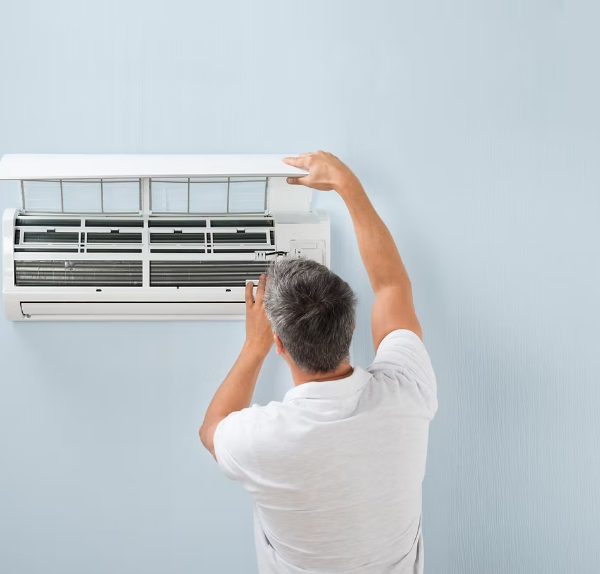
You should change your AC air filter every 1 to 3 months, depending on certain circumstances. If you have pets, allergies, or live in a dusty environment, it's best to check and possibly replace the filter monthly. For most households without these factors, changing the filter every 3 months is usually adequate. It's always a good idea to inspect the air filter regularly to determine if it needs to be replaced sooner.
How often should I have my system serviced?
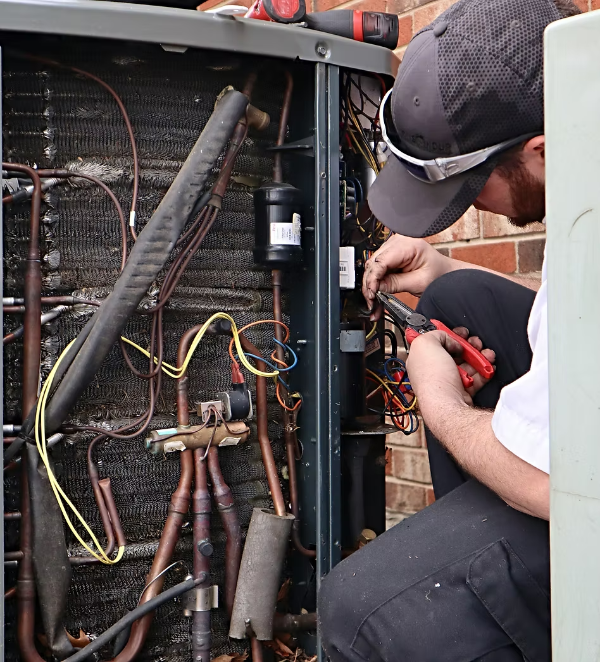
It is recommended to have your system serviced at least once a year. An annual maintenance check helps ensure your system operates efficiently, prolongs its lifespan, and reduces the chances of unexpected breakdowns. It's also a good idea to have your air conditioning unit inspected in the spring and your heating system in the fall. Changing air filters and keeping the area around your HVAC units clean are important maintenance practices you can do between professional service visits.
How can I make my system more energy efficient?
1. Regular Maintenance: Schedule annual or bi-annual inspections and maintenance for your HVAC system. Regularly changing filters and cleaning components can significantly improve efficiency.
2. Upgrade to a High-Efficiency System: If your system is older, consider upgrading to a modern, energy-efficient HVAC unit that has a higher SEER (Seasonal Energy Efficiency Ratio) rating.
3. Seal Ducts: Make sure your ductwork is correctly sealed and properly insulated to prevent air leaks. This maintains consistent temperatures and reduces energy waste.
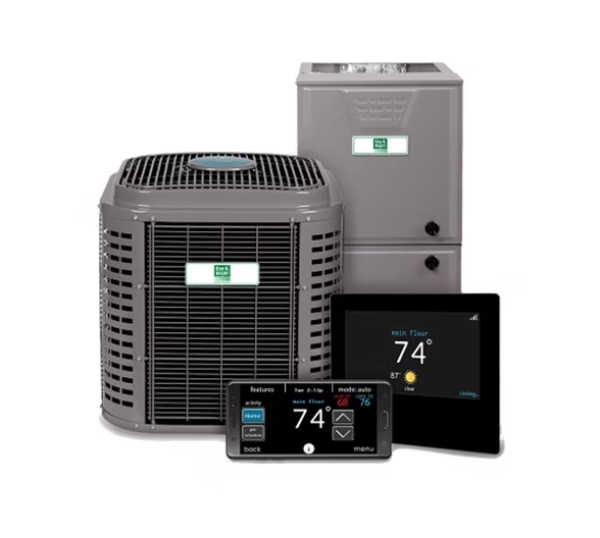
4. Use a Programmable Thermostat: Smart thermostats or at least programmable thermostats can help you manage your heating and cooling needs more efficiently by adjusting the temperature based on your schedule.
5. Improve Insulation: Check the insulation in your walls, attic, and floors. Good insulation helps maintain indoor temperatures, reducing the workload on your HVAC system.
6. Consider Zoning Systems: You can heat or cool specific zones in your house using a zoning system, which can lead to significant energy savings.
7. Use Ceiling Fans: To distribute air more evenly throughout your home, use ceiling fans, allowing you to set your thermostat a few degrees higher in summer or lower in winter.
By implementing these strategies, you can enhance the efficiency of your HVAC system and lower your energy bills.
When should I replace my system?
1. Age: If your system is over 15-20 years old, it might be more efficient to replace it rather than continue repairing it. Older systems often have decreased efficiency and higher operating costs.
2. Frequent Repairs: If you find you are calling for repairs more often, it may be a sign that your system is failing and replacement might be the more cost-effective option in the long run.
3. Rising Energy Bills: If your energy bills have been steadily increasing without any changes in usage, it could indicate that your system is no longer operating efficiently.
4. Inconsistent Temperatures: If certain rooms in your home are too hot or too cold, this inconsistency may suggest that your HVAC system is no longer effectively distributing air throughout the space.
5. Noise: Increased noise from your HVAC system, such as banging, clanking, or unusually loud operation, could indicate that it's time for a replacement.
6. Poor Air Quality: There is an increase in dust, humidity, or allergy symptoms, your HVAC system might not be filtering the air properly.
7. Refrigerant Leaks: If your system uses refrigerant and is leaking, especially R-22, which is being phased out, it may be better to replace the unit instead of repairing it.
Always consult a qualified HVAC professional to evaluate your specific situation and provide personalized advice.
What size system do I need?
There are several factors to consider when determining the size of an HVAC system, including the square footage of the space, insulation, climate, and the number of windows and doors. A common method for sizing an HVAC system is to use the British Thermal Unit (BTU) measurement, which indicates the amount of heat the system can remove from or add to a space.
1. Calculate the Square Footage: Measure the area of your home or the space you want to heat or cool.
2. Determine BTU Requirements: It is suggested that you need about 20 BTUs per square foot. However, this can vary because of other factors like:
- Insulation: Better insulation means less heating/cooling capacity is needed.
- Windows: The number and type of windows can affect how much heating or cooling you'll need.
- Occupants: More people in a space can increase the required BTU.
- Climate: Hotter or colder climates will require systems with higher BTUs.
3. Use a Sizing Calculator: Many HVAC companies provide online calculators that consider these variables.
4. Consult a Professional: For the best assessment, it's wise to consult with an HVAC professional who can perform a Manual J calculation, taking into account all aspects of your home and providing a precise recommendation.
In short, while a rough estimate can be made based on square footage, getting the right size for your specific situation can greatly improve comfort and efficiency.
Is it better to repair or replace an old system?
When considering whether to repair or replace an old HVAC system, several factors come into play:
1. Age of the System: If your system is over 10-15 years old, it may be more cost-effective to replace it than to continue investing in repairs. Newer systems are generally more energy-efficient.
2. Cost of Repairs: If a repair costs more than 50% of the price of a new system, it’s usually advisable to replace. Frequent repairs can also add up quickly.
3. Energy Efficiency: Older systems often operate less efficiently, leading to higher energy bills. A new system may significantly reduce your energy costs over time.
4. Frequent Breakdowns: If your system is breaking down often, it may be a sign that it’s time for a replacement. Constant repairs can indicate underlying issues which may not be worth fixing.
5. Comfort and Air Quality: New systems often provide better temperature control and air quality. If your HVAC system is not keeping your home comfortable or is causing issues like excessive humidity, replacement might be the better option.
6. Environmental Impact: Newer systems are designed with better technology and often have lower emissions, which can be a consideration if you're environmentally conscious.
Ultimately, it’s best to consult with a qualified HVAC technician who can assess the situation and help you make an informed decision.
Get a Free Quote Today
Experience reliable comfort and efficiency - contact us now for your free quote!
Call us
Email Us
Working Hours
Mon - Fri: 8AM - 5PM
After-hours services available.
Get expert HVAC solutions tailored to your needs- reach out today for a fast, no-obligation quote!
Quick Links
Services
Start Your Comfort Upgrade
Connect with our team today for a free, no-obligation quote on professional HVAC services!